Weekly Farm Notes :: Oct 21st, 2015

Hello!

“Deep Winter” and “Walking to Spring” CSA shares are still available. Don’t miss out on powerhouse greens to get you through the dark and cold months ahead! Here is the link to our CSA information to find out more.

Also, we are in the process of adding nutritional information to the Produce Information tab. Let us know what else we can add to make this useful for you!

A note on the Napa cabbage: when you farm without the use of harmful pesticides, sometimes you have to deal with what Mother Nature gives you. Right now, we are dealing with some worms in the cabbage but there is a simple way to get rid of them. Chop the cabbage roughly and soak in a large bowl (or sink full) of water that has been mixed with 1/4 cup of salt and 2 tablespoons of vinegar for 20 minutes to 1 hour. Rinse thoroughly then drain and use as desired.

See you at market!

~~~~~~~~~~~~~~~~~~~~~~~~~~~~~~~~~~~~~~~~~~~~~~~~~~~

October 21st Produce

Here are the items you can expect at Market (denoted by M) and/or in the CSA (denoted by CSA):

  • Napa Cabbage {CSA}: check out my Quick Kimchi recipe on the Main Street Farmers Market blog this week!
  • Carrots {CSA}: simple roasted carrots are a favorite of mine. I love Cook’s Illustrated recipe and have used it over and over again. It is included below so you can give it a try as well.
  • Rainbow Swiss Chard {CSA}: learn about the blood sugar control properties and more of this tasty green here!
  • Awesome Asian Lettuce Mix {M/CSA}: I have been on a buddha bowl kick this week. I think these Asian greens would be a great base for a recipe like this one.
  • Pak Choi {M/CSA}: for a super simple and tasty meal, give our Triple Sesame Noodles with Pak Choi recipe a try!
  • Spicy Red Mustard Greens {M/CSA}: check out this Quick Pickled Mustard Green recipe – I could find lots of ways to use greens preserved this way!
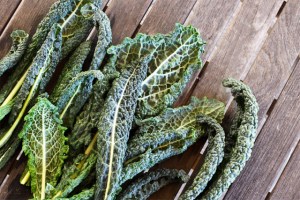
  • Siberian Kale {M/CSA}: Wheelers Orchard is selling “ugly” apples this week, which are perfect for processing (homemade applesauce, anyone?!). I was actually thinking of picking some up, cooking it down with kale, and making a fruit and vegetable leather (think homemade fruit roll-ups). We would love to hear if you have any experience in this area!
  • Tender Collards {M}: this recipe for Breakfast Tacos with Eggs, Onions and Collard Greens has me dreaming of weekend brunch.
  • Bold & Peppery Arugula {M/CSA}: these greens have a bite this week but the more bitter, the better, I say! Check out this article on why bitter greens are good for your health. This article provides lots of great ideas to tame the flavor. My favorite way to enjoy bitter greens is in a salad with a sweetened dressing.
  • Salad Turnips {M}: I haven’t tried this yet, but our salad turnips are mild enough that I think they would be great in our newest recipe for Kohlrabi Hash Browns. Swap the kohlrabi for salad turnips and you have a meal in minutes!
  • Mint {M}: if you love Indian food as much as I do, then I suggest whipping up a batch of Cilantro-Mint Chutney to serve along side your favorite dishes. This sauce would freeze well, too!
  • Lemon Balm {M}: shrubs, which are sweetened vinegar mixtures, typically use fruit for flavoring. I swapped the fruit for lemon balm in this recipe and it was delicious!
  • Eggs {M}: pick up collard greens too and make this Breakfast Tacos with Eggs, Onions and Collard Greens recipe!

~~~~~~~~~~~~~~~~~~~~~~~~~~~~~~~~~~~~~~~~~~~~~~~~~~~

Roasted Carrots

As noted above, this recipe is from Cooks Illustrated. It serves 4-6.

Ingredients:

  • 1-1/2 pounds carrot, peeled, halved crosswise, and cut lengthwise if needed to create even pieces
  • 2 tablespoons unsalted butter, melted
  • Table salt and ground black pepper

Directions:

  • Adjust oven rack to middle position and heat oven to 425 degrees. In large bowl, combine carrots with butter, ½ teaspoon salt, and ¼ teaspoon pepper; toss to coat. Transfer carrots to foil- or parchment-lined rimmed baking sheet and spread in single layer.
  • Cover baking sheet tightly with foil and cook for 15 minutes. Remove foil and continue to cook, stirring twice, until carrots are well browned and tender, 30 to 35 minutes. Transfer to serving platter, season with salt and pepper to taste, and serve.

~~~~~~~~~~~~~~~~~~~~~~~~~~~~~~~~~~~~~~~~~~~~~~~~~~~

Alice O’Dea Article

Have you read Alice O’Dea’s recent article? If you cook, even just casually, you should know about mirepoix – Alice breaks it down for you.


Weekly Farm Notes :: May 19th, 2015

Hello,

Now that we are close to the end of the Spring CSA, we wanted to give you a heads up on what to expect from us this summer. To start, we will have lots of beans! The list includes green beans, yard long beans, Crowder peas, Italian beans, October beans, and half white runners. To give you some insight into each variety, we will highlight a different bean each week. Up this week: Crowder peas! Check out the details below.

Hope to see you at the market tomorrow!

~~~~~~~~~~~~~~~~~~~~~~~~~~~~~~~~~~~~~~~~~~~~~~~~~~~

May 20th Produce

Here are some of the items you can expect this week:

  • Kohlrabi: I have been daydreaming of kohlrabi fritters lately. You too? This recipe looks like a great place to start.
  • Beets: you HAVE to try roasting beets and combining them with kalamata olives, orange and goat cheese. It is one of the best flavor combinations I have ever tried. It’s great on a sandwich or as a salad. I wrote about it here – give it a try and let us know what you think!
  • Green Leaf Lettuce: the lettuce this week has turned a little bitter so we wanted to provide a salad dressing recipe that would stand up to it. See below!
  • Salad Turnips: I have loved adding these raw to my sandwiches this week. Today I sliced these thinly and added them to a sandwich with hard boiled eggs, avocado and Sriracha. Talk about good food, fast!
  • Tender Collards: don’t forget, you can dehydrate your greens! Check out more here.
  • Toscano & Beira Kale: I really love these little baked quinoa and kale bites. I have a feeling you will too.
  • Napa Chinese Cabbage: I posted this recipe last week for spicy raw pak choi but I think it would be equally as good with this cabbage. I served it along side a ramen noodle soup and it was perfect.

~~~~~~~~~~~~~~~~~~~~~~~~~~~~~~~~~~~~~~~~~~~~~~~~~~~

Recipe :: Sesame-Miso Dressing

This recipe is from Cook’s Illustrated and will coat 10 cups of washed and dried salad greens.

Ingredients:

  • 2 tablespoons white miso
  • 1 tablespoon honey
  • 1 tablespoon soy sauce
  • 2 tablespoons water
  • 2 tablespoons peanut oil
  • 2 tablespoons sesame seeds, toasted and crushed
  • 1 scallion, sliced thin

Directions:

  • Whisk together miso, honey, soy sauce, and water in medium bowl; gradually whisk in peanut oil, then stir in sesame seeds and scallion.

~~~~~~~~~~~~~~~~~~~~~~~~~~~~~~~~~~~~~~~~~~~~~~~~~~~

Summer Produce :: Crowder Peas

I had never heard of crowder peas so thought we would start here. Below are a few interesting tidbits I found on this site. I am really looking forward to trying these this summer!

  • The crowder pea variety gets its name from the way its peas crowd themselves in the pod.
  • Blackeye peas, crowder peas, field peas, and Lady Cream peas are varieties of the same species commonly called “cowpeas” or “Southern peas”.
  • It has a rich, hearty flavor and creates a dark pot liquor when cooked.
  • 1 cup (172 grams) of cooked crowder peas has only 200 calories, very little fat and 45% RDA of fiber.

~~~~~~~~~~~~~~~~~~~~~~~~~~~~~~~~~~~~~~~~~~~~~~~~~~~

Other News

Have you read Alice O’Dea’s latest article? Check out her latest article on shrubs (which featured our recipe!).


Peppermint Patty Herb? Wow!

There are a variety of popular herbal mints and Chocolate mint is a decadent one. Chocolate mint has shiny dark green leaves with brown veins. These leaves are smaller than other varieties of mint, and when you rub the leaves between your fingers, you get the heavenly scent of chocolate mint. This variety grows 12-18 inches tall and has violet or lavender flowers throughout the growing season. To keep the leaves from getting bitter, cut off the flowers before they bloom. If you want to attract bees and butterflies, let the flowers bloom. Chocolate mint has a peppermint patty flavor that is a nice addition to desserts, beverages, syrups and more. It may be used fresh or dried.

Preserving Mint

Hang mint in small bunches in a dark, airy place until crispy dry. Or you may dry your mint in a food dehydrator or microwave if you need to quickly dry it.

To freeze mint, dip it in boiling water for a few seconds and then plunge it into cold water. Shake off excess water and pack lightly in containers and freeze. Use mint immediately after thawing at room temperature.

Culinary Uses for Mint

The culinary uses for mint include refreshing hot or cold teas, mint sauces, mint vinegar, simple syrup, jelly and mint juleps. Add fresh mint leaves to new potatoes, peas, fruit salads, drinks and punches, summer cold soups, fish, yogurt dressing, mix with chocolate, bake in cookies, breads and cakes. A delicious Near East salad combines spearmint, lettuce, chicory and a sesame seed dressing.

Add minty flavor to steamed vegetables by adding mint leaves to the water. Freeze mint leaves in ice cubes and use to flavor tea or lemonade. Adding it to sweet juices is amazing…

Cantaloupe and choc mint = the taste of a peppermint patty. Watermelon and choc mint = amazing yummy goodness!!!

Try it with everything sweet… it enhances the flavours so beautifully.

Medicinal uses for Mint

Mint has been used for its medicinal properties for well over 3,000 years! Greek and Roman herbalists prescribed mint for everything from hiccups to leprosy. The English herbalist Nicholas Culpepper listed over 40 medical uses and wrote “Mint is very profitable for the stomach!”

The Pilgrims brought numerous herb and garden vegetable seeds to America, and among them were mint seeds and dried leaves. During their voyage to America, the Pilgrims often mixed mint with other herbs to calm seasickness.

During the Middle Ages, people used mint to ward off disease and carried mint leaves in their purses to attract wealth and love. They also thought burning dried mint leaves helped induce a peaceful sleep. Dried leaves were also used for strewing throughout the house to reduce odors and insects.

During World War I when traditional drugs were in short supply, a resurgence of herbal healing began and mint or garlic was often part of first aid kits. Today, herbal remedies continue to make a revival as many patients look to alternative medicines. Always talk to your doctor before trying herbal alternatives.

Peppermint tea helps digestion and is a common home remedy for cold and flu symptoms because drinking frequent cups will promote perspiration and reduce fever. For relief of abdominal pains and gas, drink a peppermint-milk infusion.

In Mexico and the Southwest, spearmint tea is preferred as a general remedy for diarrhea, neuralgia, gargled as a mouthwash and used as an antiseptic on wounds and sores. Macerate spearmint and peppermint leaves in a carrier oil and massage area for migraine, facial neuralgia or rheumatic and muscular aches. When added to lotions, peppermint may help reduce pain and sensitivity.

Have fun with your Chocolate Mint!


Kale Chips

Kale is one thing I never grow tired of!  Gone are the days when I viewed it as a silly little garnish on the side of my plate – now, kale is the focus of some of my most favorite meals!

KaleChips2-copyAnd, it’s also excellent for snacking!  I’m sure most of you have been introduced to the beloved Kale Chip recipe that has circulated our local farm loving community.  Here it is again, with a few variations to spice things up a bit!

Kale Chips:

1 bunch of Kale (any kind)

1-2 Tbsp of Olive Oil

1/2 tsp. of Sea Salt

Preheat oven to 300.  Thoroughly wash and dry your kale.  Remove the stems and rough inner ribs (but reserve for dipping in veggie dip – cause those stems are still tasty and packed with nutrients!)  Massage the leaves and tear into 3-4 inch pieces.  Drizzle with olive oil and sea salt and toss to combine.   Spread on baking sheet.  Bake for 20-30 minutes, or until desired crispiness has been achieved.

Enjoy with your favorite holiday movie!

And here are a few variations from BluePoppy.com:

Flavor Variations:

  • Sea salt & Vinegar – Whisk 1‐2 T of malt vinegar into the olive oil, then drizzle over the kale
  • Teriyaki – Whisk 1 T soy sauce, 2 t rice vinegar, 2 t mirin, ½ t finely grated ginger, and 2 T garlic infused oil together, then toss with the kale. Sprinkle with togarashi or gomasio, if desired (Remove the olive oil and the sea salt from the base recipe)
  • “Cheese” for the dairy‐free – Sprinkle the base recipe with nutritional yeast to taste.
  • Parmesan & Garlic – Replace the olive oil with garlic‐infused oil, remove the salt, and sprinkle with finely grated parmesan cheese
  • Sun‐dried Tomato & Herb – Puree 1 clove finely minced garlic, 2 T finely minced sun‐dried tomatoes (preferably oil packed), and 2 t finely minced fresh basil, then whisk into the olive oil
  • Lemon & Olive – Add the juice of one lemon and 2 T olive puree to the base recipe. Remove the sea salt
  • Balsamic Vinegar & Herb – Whisk 1 T balsamic vinegar, 1 t minced thyme, 2 t minced chives, and 1 t freshly ground black pepper into the olive oil
  • Sour Cream & Onion – Remove the olive oil. Puree 1 c cashews (soaked for 2‐3 hrs first) with the juice of 1 lemon, 1 T apple cider vinegar, 1 large shallot, and ¼ c water. Drizzle over the kale, then sprinkle with minced chives.

And, what’s your favorite way to eat Kale Chips?


For the Love of Honey

Greens are wonderful.  Turnips are tasty.  Garlic is essential.  But, when I see a jar of honey in my CSA basket, it takes my joy to a whole other level.

Kevin and his bees at BeginAgin Farm in Lafayette

Kevin and his bees at BeginAgin Farm in Lafayette

And not just honey…

Creamed honey.

From local bees, at Kevin and Lorri’s local farm.  It just doesn’t get any better than that now, does it?

Tonight I went on a mission to find out just how many uses there are for my prized creamed honey – cause I certainly don’t want a drop of it to go to waste!

Here’s the list I’ve come up with, thus far.  Feel free to add your favorite uses for creamed honey in the comment section (located directly under the title of the blog post)

  1. Toast (of course!) – There is no better use for tasty creamed honey then slathering it on a piece of warm Niedlov’s bread or just about anything from Bluff View Bakery (I especially love their Multigrain bread).
  2. Honey Mustard – Add a scoop of honey to a sprinkling of dry mustard and stir for a spreadable honey mustard for your turkey sandwich.  Or make a larger quantity for a compliment to a grilled chicken, or as a dipping sauce for veggies.
  3. Use in place of maple syrup when making granola.  (My most favorite granola recipe is this one from Earthbound Farms)
  4. Add a small scoop of it to your holiday cheese plate, next to some roasted almonds and any one of Mary Beth Sander’s preserves from Fox Peace Farms, sold at the Main Street Market.  (I recommend the Pear Ginger!)
  5. Hot Tea – I’m an avid hot tea drinker and a few drops of creamed honey makes my mornings sweeter!
  6. Make your own Almond Milk – for a recipe, see here.
  7. Lip Balm!  Add it to almond oil and beeswax to create your own natural lip balm – perfect for these parched winter months!
  8. Pair it with your CSA kale, and some other ingredients to create a healthy green smoothie – here are several excellent recipes!
  9. Breakfast topper – Add it to just about any of your holiday breakfast dishes:  pancakes, french toast, pastries, etc.
  10. Honey Pecan Pie
  11. Use a dollop of honey as a seasoning on BBQ spare ribs, pork chops, or chicken wings.
  12. Combine it with olive oil and vinegar for an extra tasty salad dressing – great with Mark and Gina’s Asian Salad Mix!
  13. Combine 1 Tbsp of honey with 3 cups of yogurt and 1 cup of chopped almonds for a fantastic fruit dip
  14. Homemade Peanut Butter – yum!!
  15. Chocolate Coconut Oat Bars – yum, again!
  16. Baked Brie – drizzle honey over brie, add pistachios and bake at 350, until the cheese starts to turn melt.  Serve with crackers or baguettes.
  17. And, I would be remiss if I did not implore you to please, please drizzle some of that amazing honey on your next bowl of ice cream.  And, with that, I’m off to do just that!

What will you be using your Creamed Honey for?


Sauerkraut for the Holidays!

If you are like me, you received a beautiful head of cabbage in your CSA box this week.

I’m often a bit confused by cabbage.  I like it, but I don’t often make Cole Slaw, which is usually why I would buy cabbage.  I’ve started adding cabbage to the top of fish tacos – but that only takes a small amount, so…

Sauerkraut to the rescue!!!!

Living in the South, I’m sure we’ve all been subjected to the dreaded “Kraut and Wennies” on occasion, yes?  Well, I decided that’d I’d like to make a big girl version of this classic dish to serve during the holidays.  I plan to serve my homemade sauerkraut alongside some local Link 41 Sausage, for a hearty and heart-warming holiday meal.

However, the key to Sauerkraut, I learned, is TIME!  Which is why it is a good idea to start now.  As in, right now!

Here is a standard Sauerkraut recipe that I started on last night from www.wildfermentation.com.

As the recipe explains, it takes weeks (sometimes months) to ferment the cabbage to your liking.  But the prep time is minimal, so get started now and enjoy this dish long into the month of December.

*This recipe is for 5lbs of cabbage (whoa!) – so I reduced mine to just a pound and a half or so and 2-3 teaspoons of salt.*

Enjoy!

Making Sauerkraut

Timeframe: 1-4 weeks (or more)

dsc-6314Special Equipment:

  • Ceramic crock or food-grade plastic bucket, one-gallon capacity or greater
  • Plate that fits inside crock or bucket
  • One-gallon jug filled with water (or a scrubbed and boiled rock)
  • Cloth cover (like a pillowcase or towel)

Ingredients (for 1 gallon):

  • 5 pounds cabbage
  • 3 tablespoons sea salt

Process:

  1. Chop or grate cabbage, finely or coarsely, with or without hearts, however you like it. I love to mix green and red cabbage to end up with bright pink kraut. Place cabbage in a large bowl as you chop it.
  2. Sprinkle salt on the cabbage as you go. The salt pulls water out of the cabbage (through osmosis), and this creates the brine in which the cabbage can ferment and sour without rotting. The salt also has the effect of keeping the cabbage crunchy, by inhibiting organisms and enzymes that soften it. 3 tablespoons of salt is a rough guideline for 5 pounds of cabbage. I never measure the salt; I just shake some on after I chop up each cabbage. I use more salt in summer, less in winter.
  3. Add other vegetables. Grate carrots for a coleslaw-like kraut. Other vegetables I’ve added include onions, garlic, seaweed, greens, Brussels sprouts, small whole heads of cabbage, turnips, beets, and burdock roots. You can also add fruits (apples, whole or sliced, are classic), and herbs and spices (caraway seeds, dill seeds, celery seeds, and juniper berries are classic, but anything you like will work). Experiment.
  4. Mix ingredients together and pack into crock. Pack just a bit into the crock at a time and tamp it down hard using your fists or any (other) sturdy kitchen implement. The tamping packs the kraut tight in the crock and helps force water out of the cabbage.
  5. Cover kraut with a plate or some other lid that fits snugly inside the crock. Place a clean weight (a glass jug filled with water) on the cover. This weight is to force water out of the cabbage and then keep the cabbage submerged under the brine. Cover the whole thing with a cloth to keep dust and flies out.
  6. Press down on the weight to add pressure to the cabbage and help force water out of it. Continue doing this periodically (as often as you think of it, every few hours), until the brine rises above the cover. This can take up to about 24 hours, as the salt draws water out of the cabbage slowly. Some cabbage, particularly if it is old, simply contains less water. If the brine does not rise above the plate level by the next day, add enough salt water to bring the brine level above the plate. Add about a teaspoon of salt to a cup of water and stir until it’s completely dissolved.
  7. Leave the crock to ferment. I generally store the crock in an unobtrusive corner of the kitchen where I won’t forget about it, but where it won’t be in anybody’s way. You could also store it in a cool basement if you want a slower fermentation that will preserve for longer.
  8. Check the kraut every day or two. The volume reduces as the fermentation proceeds. Sometimes mold appears on the surface. Many books refer to this mold as “scum,” but I prefer to think of it as a bloom. Skim what you can off of the surface; it will break up and you will probably not be able to remove all of it. Don’t worry about this. It’s just a surface phenomenon, a result of contact with the air. The kraut itself is under the anaerobic protection of the brine. Rinse off the plate and the weight. Taste the kraut. Generally it starts to be tangy after a few days, and the taste gets stronger as time passes. In the cool temperatures of a cellar in winter, kraut can keep improving for months and months. In the summer or in a heated room, its life cycle is more rapid. Eventually it becomes soft and the flavor turns less pleasant.
  9. Enjoy. I generally scoop out a bowl- or jarful at a time and keep it in the fridge. I start when the kraut is young and enjoy its evolving flavor over the course of a few weeks. Try the sauerkraut juice that will be left in the bowl after the kraut is eaten. Sauerkraut juice is a rare delicacy and unparalleled digestive tonic. Each time you scoop some kraut out of the crock, you have to repack it carefully. Make sure the kraut is packed tight in the crock, the surface is level, and the cover and weight are clean. Sometimes brine evaporates, so if the kraut is not submerged below brine just add salted water as necessary. Some people preserve kraut by canning and heat-processing it. This can be done; but so much of the power of sauerkraut is its aliveness that I wonder: Why kill it?
  10. Develop a rhythm. I try to start a new batch before the previous batch runs out. I remove the remaining kraut from the crock, repack it with fresh salted cabbage, then pour the old kraut and its juices over the new kraut. This gives the new batch a boost with an active culture starter.


Leafy Green Vegetables-Powerhouse of Nutrition

Leafy green vegetables are the greatest powerhouse of nutrition we can imagine and our rich in compounds that battle cancer. They are essential to our health and well-being. Some of the varieties are cabbages, turnips, beets, mustard and lettuces. They are all so versatile and easy to prepare. You can eat most every part of the greens.

In the South, there is an entire cuisine structured around collard greens. Don’t throw out the juice produced from cooking Collards and mustard greens. It is called pot liquor, it has a garden, tangy taste which illuminates the taste buds in a good way. Pot liquor is good for the skin and digestive system and is a natural laxative. What I love to do is dip a big piece of home-made cornbread in it, makes my mouth water thinking about it!

Leafy greens enliven any dish. Its like stirring sunshine into dinner. Leafy greens can be braised, simmered, steamed, sautéed, stewed, stir fried, grilled, roasted or when young eaten raw in winter salads. Greens have played a role on the world stage of cuisine for generations. While overlooked or used as garnish by most American chefs, in other cultures, the crunchy leaves inspire classic dishes like “caldo Verde”, a Portuguese soup of potatoes, white beans, and kale. In Brazil, kale braised and served with the gloriously smoky black bean stew “Feijoada”. And there is Red Russian kale with its flat purple tipped leaves, tender stems and added magnesium to keep our nerves from getting frazzled…..and mixed into stir fried dishes or salads will change your opinion of greens for ever!

Swiss chard, beet and turnip tops are rich in iron. Asian greens with brilliant colors, amazing flavors and a variety of textures make the perfect salad with a beautiful presentation. Pak Choi, which is the same as bok choy, can be stir fried with fresh garlic and sesame oil, so easy and quick, it is my new favorite vege!

We can not forget about green smoothies! You can add any of the fall and winter greens to your smoothie for that huge boost of nutrients in one glass. Will post more information on green smoothies in the near future.

Some easy winter meals to consider. Saute a variety of greens with onion and garlic and serve over a bed of pasta. Simmer a big pot of variety of greens and serve with your favorite beans and hot cornbread. Add 1 tbsp of Miso to your cooked greens for added flavor and nutrition.

Greens Rock! Have fun trying new greens and experimenting with new recipes. Thanks to Living the well life, Christinacooks.com for some good info and ideas!


Bacon, Kale and Turkey Soup

Put your leftovers AND this week’s CSA basket to good use with this delicious stew from The Kitchn.

Bacon, Kale, & Turkey Stew
serves 6

3 thick slices bacon, cut into small strips
1 large yellow onion, peeled and diced
4 cloves garlic, peeled and minced
1 bay leaf
10 ounces kale, chopped into bite-sized pieces
Salt and pepper
1 teaspoon smoked paprika

2 to 3 cups shredded cooked turkey or chicken meat

4 to 5 cups turkey or chicken broth, ideally homemade
Gruyere or Parmesan cheese, to serve

Place a heavy 5-quart or larger pot over medium-high heat. Add the bacon and cook, stirring frequently. When it has released much of its fat, but before it has gotten crispy, add the diced onion, minced garlic, and the bay leaf. Cook, stirring frequently, for at least 5 minutes, or until the onion has softened and become golden.

Add the kale, handful by handful, stirring to coat it with bacon fat. If it won’t all fit at once, keep stirring until it wilts down. Sprinkle the kale lightly with salt and pepper and the smoked paprika. When all the kale has been added, stir in the shredded turkey or chicken meat, and cook for an additional 5 minutes over medium-high heat, stirring frequently to make sure that the kale is coated with the bacon fat and letting the onions and shredded turkey brown slightly.

Add the broth and bring to a simmer, then lower the heat. Simmer for about 15 minutes, or until the kale has wilted and the soup is hot.

Serve with shredded Gruyere or Parmesan cheese, if desired.


Criss Cross, (Cranberry) Applesauce

There are apples galore  in the fields and at the markets these days!  It’s a great time to stock up on your favorite varieties and turn them into tasty applesauce for the winter.  We threw some cranberries in our batch for color and taste.

Cranberry Applesauce

By:  Rachel McCrickard & Lucky Rouse

Ingredients:

  • Apples (combination of  Red Delicious, Gala, Fuji, or other sweet variety)
  • Cranberries
  • Cinnamon

Instructions:

For the best canning advice (sans your grandmother), I always use:  http://www.pickyourown.org/applesauce.htm.  They are an excellent resource for step-by-step canning instructions.  If you are new to canning, I recommend that you go there for a complete list of utensils and guidance.

I’ll summarize here:

Wash and chop apples (leave the skin on).  Put an inch of water in a large pot and fill the pot with the apples and cranberries (the apples mostly cook in their own juice, so there is no need to add a lot of water).  Put the lid on the pot and cook apples on high, until they begin to sizzle and cook, then turn the heat down to medium high.  Cook the apples until they are soft.

At this point, Lucky and I just mashed the apples with a potato masher, rather that using a sieve to turn it in to “real” applesauce.  We like ours sorta chunky – but I recommend sieving the apples if small children will be eating the applesauce.  My 2 year old niece didn’t care too much for the chunky apples!

If you choose to keep your applesauce chunky, add cinnamon at this point, mash the apples and cranberries, stir, and begin the canning process.

If you like the smoother variety, check out the instructions on the link above to sieve the apples and then follow canning instructions to complete.

Then, enjoy the taste of Fall, all through the Winter!